


Pregnancy Pigmentation: When Is the Right Time to Start Treatment?
- TALETSKY Room TLV

- Jun 21
- 4 min read

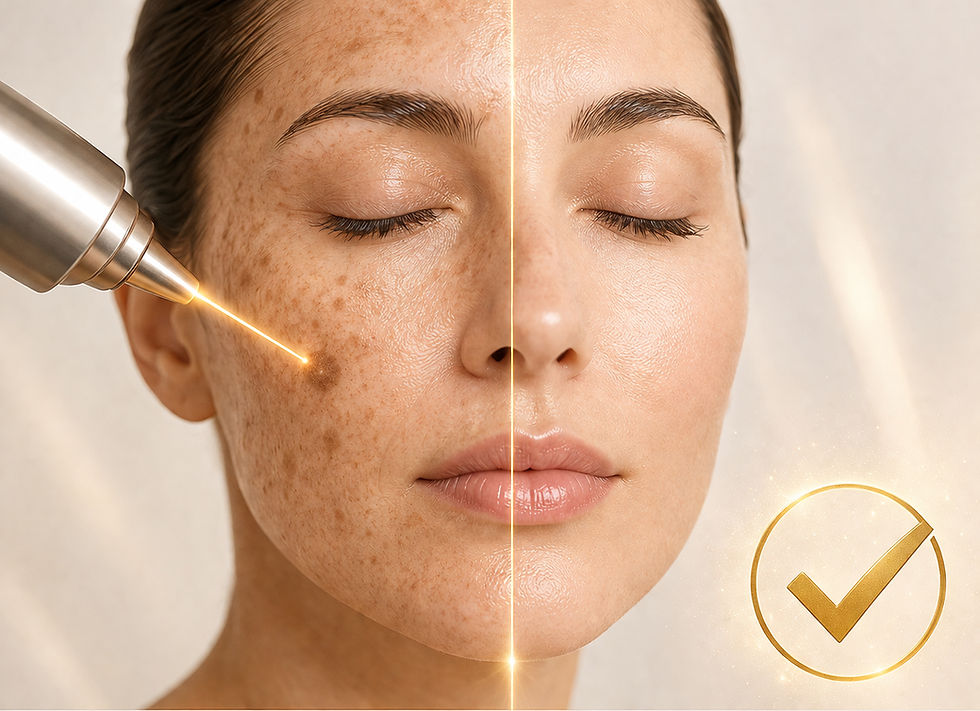
Many women notice dark patches appearing on their skin during pregnancy or shortly after childbirth. These changes are extremely common and are often referred to as pregnancy pigmentation or melasma.
While some pigmentation may gradually fade after delivery, many women find that the discoloration remains visible for months or even years. One of the most common questions is whether treatment should begin immediately after pregnancy or if it is better to wait.
The answer depends on several factors, including hormonal changes, breastfeeding, skin condition, and the type of pigmentation present.
What Happens to the Skin During Pregnancy?
To understand why pigmentation develops during pregnancy, it helps to understand what happens beneath the surface of the skin.
Our skin contains specialized cells called melanocytes. These cells produce melanin, the natural pigment responsible for the color of our skin, hair, and eyes.
During pregnancy, the body produces significantly higher levels of hormones, particularly estrogen, progesterone, and melanocyte-stimulating hormone (MSH).
These hormones act as a signal that tells melanocytes to increase pigment production.
As a result, melanocytes become more active and begin producing larger amounts of melanin than usual.
For some women, this increased pigment production appears as freckles becoming darker, while others develop larger areas of pigmentation on the face.

Why Does Pregnancy Pigmentation Usually Appear on the Face?
Not every area of the body reacts in the same way.
The face is constantly exposed to sunlight, even during everyday activities such as walking outside, driving, or sitting near a window.
Ultraviolet radiation acts as a second trigger.
Hormones increase the skin's tendency to produce pigment, while UV exposure stimulates melanocytes even further.
This combination often leads to pigment accumulation in areas such as:
Forehead
Cheeks
Upper lip
Chin
Jawline
Over time, these patches become visible as brown or gray-brown discoloration commonly known as melasma, or the "mask of pregnancy."
Why Can Pigmentation Remain Long After Pregnancy?
Many women assume that pigmentation will disappear as soon as hormone levels return to normal.
Unfortunately, this is not always the case.
When melanocytes remain overactive for several months, excess pigment can become stored deeper within the skin.
Think of it as the skin developing a type of pigment memory.
Even after pregnancy ends, melanocytes may continue responding more aggressively to sunlight, heat, and hormonal fluctuations.
This is one reason why melasma can persist for years if left untreated.
Will Pregnancy Pigmentation Disappear on Its Own?
In some cases, pigmentation gradually fades within several months after delivery.
However, many women continue to see visible discoloration long after childbirth.
Whether pigmentation improves naturally depends on several factors:
Hormonal stabilization
Sun exposure
Skin type
Genetic predisposition
Depth of pigmentation
Consistency of sun protection
The longer pigmentation remains untreated, the more difficult it may become to manage.
Why Does Sun Exposure Make Pigmentation Worse?
Sunlight is one of the strongest activators of melanocytes.
During and after pregnancy, these cells become especially sensitive.
Even small amounts of daily UV exposure can stimulate additional pigment production.
In sunny climates such as Israel, ultraviolet radiation, visible light, and heat can all contribute to maintaining or worsening pigmentation.
This is why successful pigmentation treatment is not only about removing existing pigment. It is also about preventing melanocytes from becoming overstimulated again.
When Can Treatment Begin After Pregnancy?
The ideal time to begin treatment depends on hormonal stability, breastfeeding status, and the type of pigmentation present.
Every case should be assessed individually.
If You Are Not Breastfeeding
Once hormone levels begin to stabilize after childbirth, a professional skin assessment can be performed.
Depending on skin condition and overall recovery, treatment may be considered several weeks after delivery.
A thorough evaluation helps determine the depth and type of pigmentation before selecting the most appropriate treatment approach.
If You Are Breastfeeding
Many pigmentation treatments are postponed during breastfeeding.
Certain laser procedures, strong depigmenting ingredients, and intensive treatment protocols are generally avoided during this period.
Although breastfeeding itself does not directly cause pigmentation, ongoing hormonal fluctuations can influence the skin's behavior and make results less predictable.
For this reason, many practitioners recommend waiting until breastfeeding is completed before beginning a comprehensive pigmentation treatment plan.
Why Proper Diagnosis Is Essential
Not all pigmentation is the same.
What appears to be pregnancy pigmentation may actually be:
Melasma
Sun-induced pigmentation
Post-inflammatory hyperpigmentation
Mixed pigmentation disorders
Each condition behaves differently and responds differently to treatment.
Using the wrong treatment or an overly aggressive approach can sometimes worsen pigmentation rather than improve it.
Accurate diagnosis is one of the most important steps in achieving safe and predictable results.
What Treatments May Help Pregnancy-Related Pigmentation?
The most effective treatment depends on the type, depth, and stability of the pigmentation.
Treatment options may include:
Professional skin assessment
Medical-grade skincare
Personalized pigmentation protocols
Gentle pigment-focused laser treatments
Long-term sun protection strategies
Successful treatment requires an individualized approach rather than a one-size-fits-all solution.
The Importance of Daily SPF Protection
No pigmentation treatment can provide long-term results without proper sun protection.
Daily use of a broad-spectrum SPF 50 sunscreen is one of the most important steps in preventing pigmentation from returning.
Even brief periods of unprotected sun exposure can reactivate melanocytes and stimulate new pigment production.
Consistent sun protection remains one of the most powerful tools in managing melasma and pregnancy-related pigmentation.

Final Thoughts
Pregnancy pigmentation is a common condition caused by hormonal changes that increase melanin production within the skin.
While some discoloration may fade naturally after childbirth, many women continue to experience pigmentation long after pregnancy has ended.
The best time to begin treatment depends on hormonal stability, breastfeeding status, sun exposure, and the specific type of pigmentation present.
A professional evaluation can help determine whether treatment should begin immediately or whether waiting will provide safer and more predictable results.
At Taletsky Room, every pigmentation case is assessed individually to create a personalized treatment plan focused on both effective results and long-term skin health.

Comments